Checking out the Function of a Metal Foundry in Modern Manufacturing Processes
Metal foundries are crucial in the landscape of modern production. They offer crucial components across different fields, adapting to the demands of industries like automobile and aerospace. Advanced methods such as 3D printing and automated casting have actually changed their operations. Furthermore, sustainability has become a concern, influencing their methods. As these foundries advance, the implications for producing effectiveness and advancement are considerable, raising inquiries about their future trajectory in an ever-changing economic climate.
The Evolution of Metal Casting Methods
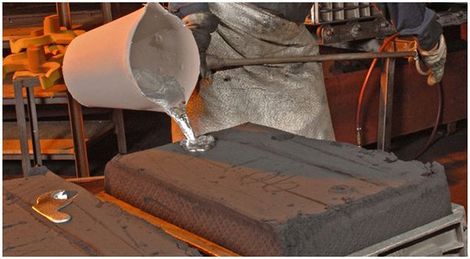
With the rise of mass manufacturing, foundries adopted techniques like die casting and lost foam casting, enhancing the production process and lowering waste. Each evolution in metal casting methods has actually accommodated the needs of different markets, from auto to aerospace. As metal casting proceeds to development, the interaction in between strategy and technology continues to be essential in conference contemporary manufacturing challenges, making sure that foundries flourish and adjust in an ever-changing landscape.
Assimilation of Advanced Technologies in Foundries
Typical metal casting approaches have offered the sector well for centuries, the assimilation of advanced modern technologies in foundries is reinventing the production landscape. Automation and robotics enhance manufacturing procedures, enhancing efficiency and reducing the danger of human mistake. Technologies such as 3D printing enable quick prototyping and the production of intricate geometries that were when impossible with conventional methods. Additionally, data analytics and the Web of Things (IoT) make it possible for real-time surveillance and anticipating upkeep, eventually resulting in minimized downtime and increased performance. These advancements likewise assist in personalization, permitting makers to react swiftly to market needs. As sustainability ends up being a concern, the fostering of eco-friendly modern technologies, such as electric melting heaters and advanced sand reclamation systems, additionally demonstrates the industry's commitment to advancement. Jointly, these modern technologies not just enhance operational performance however likewise setting foundries at the forefront of contemporary production methods.
The Impact of Material Scientific Research on Foundry Procedures
Material scientific research plays an essential function in improving factory operations, influencing both the selection of products and the overall casting procedure. Advances in product science provide a deeper understanding of the properties of steels and alloys, making it possible for foundries to choose the most appropriate products for particular applications. This knowledge improves the performance and toughness of actors products, which is crucial for fulfilling sector requirements.
Furthermore, developments in product formulas and additives add to boosted casting methods, reducing problems and optimizing manufacturing efficiency. The advancement of advanced metal compounds and smart products permits foundries to produce lighter, stronger components, which are increasingly demanded in different sectors such as automobile and aerospace.
In addition, product scientific research help in the recycling of metals, making processes more cost-effective and reliable. By leveraging the most up to date findings in product scientific research, foundries can adapt to advancing market needs, ensuring their competition in a quickly altering manufacturing landscape.
Sustainability Practices in Modern Metal Foundries
With the growing focus on environmental duty, contemporary metal foundries are significantly implementing sustainability methods to minimize their eco-friendly footprint (Aluminum Casting). like it One key technique involves the recycling of scrap metal, which not just decreases waste yet also saves power and resources. Foundries are adopting innovative melting innovations that improve power efficiency, consequently lowering greenhouse gas emissions. In addition, using environmentally pleasant finishings and products has actually gained traction, further lowering damaging emissions throughout production
Water preservation methods, such as closed-loop air conditioning systems, are being executed to reduce view website freshwater usage. Lots of foundries are likewise buying sustainable power sources, like solar and wind, to power their operations, consequently decreasing reliance on fossil gas. Team training programs focused on sustainability practices advertise a society of ecological awareness within the workforce. These campaigns jointly add to a much more sustainable future for metal foundries while fulfilling the needs of eco-conscious customers.
The Future of Foundries in an Altering Financial Landscape
As the international economic situation progresses, foundries encounter a myriad of challenges and chances that will certainly form their future (Aluminum Foundry). The increasing need for light-weight products and advanced alloys demands advancement in production techniques and technical assimilation. Automation and wise production practices are coming to be crucial for enhancing efficiency and lowering operational expenses. Additionally, the surge of sustainability problems forces foundries to take on greener processes and recycling campaigns, lining up with global ecological goals
The financial landscape is additionally changing, with supply chain disruptions and fluctuating resources rates presenting substantial obstacles. Foundries have to adjust by diversifying their supply resources and purchasing materials scientific research. Furthermore, partnership with markets such as renewable power and electric lorries can promote development. Inevitably, the future of foundries will depend upon their ability to take advantage of technical advancements while continuing to be responsive to market dynamics and ecological imperatives, guaranteeing their significance in contemporary manufacturing.
Regularly Asked Concerns
What Kinds of Metals Are Typically Made Use Of in Foundries Today?
Commonly utilized steels in foundries today include light weight aluminum, iron, copper, zinc, and steel. These products are preferred for their varied buildings, making it possible for a large range of applications in sectors such as automobile, aerospace, and construction.
Just how Does a Foundry Guarantee Top Quality Control in Its Products?
What Safety And Security Actions Are Carried Out in a Metal Foundry?
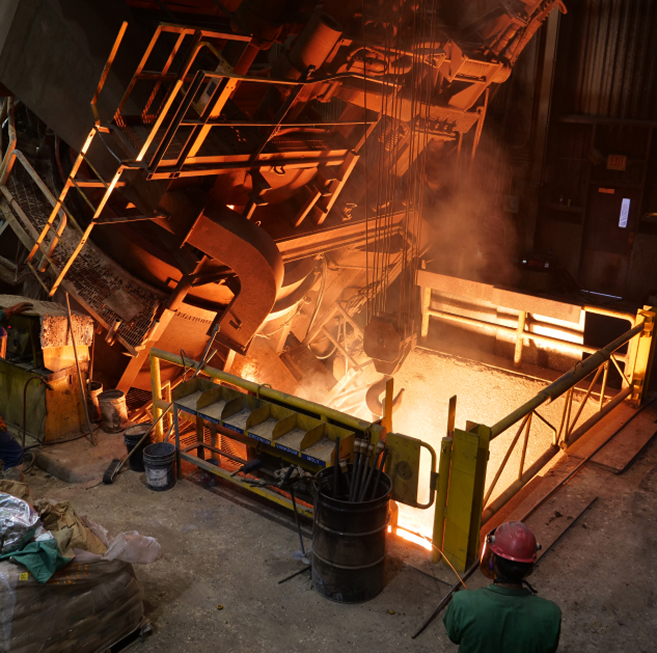
Metal foundries carry out safety and security measures consisting of individual protective equipment, air flow systems to reduce breathing of fumes, routine safety training for employees, emergency action protocols, and strenuous equipment maintenance to decrease risks and guarantee a secure working setting.
How much time Does the Metal Casting Refine Generally Take?
The metal casting process usually takes a number of hours to days, depending on aspects such as the intricacy of the mold, the kind of metal used, and cooling times. Each project's requirements considerably affect the duration.
What Industries Mainly Rely Upon Metal Foundries for Manufacturing?
Automotive, aerospace, building and construction, and equipment sectors largely rely upon metal foundries for production. These industries make use of cast metals for components, guaranteeing resilience and performance essential for their corresponding applications in manufacturing and assembly processes.
Metal foundries are essential in the landscape of contemporary manufacturing. Metal Foundry. Standard metal casting approaches have served the market well for centuries, the combination of advanced technologies in foundries is reinventing the production landscape. Breakthroughs in material scientific research give a deeper understanding of the residential or commercial properties of alloys and steels, allowing foundries to choose the most ideal products for details applications. With the expanding focus on ecological responsibility, modern-day metal foundries are progressively carrying out sustainability practices to reduce their eco-friendly impact. Automotive, equipment, construction, and aerospace sectors mostly count on metal foundries for manufacturing
Comments on “Essential resource to selecting the right Aluminum Foundry for your production needs”